

Big offers on new collection
Trending Now
Best Selling Products
Featured Products
Latest Blog Posts
What is Adderall? Uses, Dosage & Side Effects | Buy Adderall Online
Adderall is one of the most prescribed drugs in attention deficit hyperactivity disorder (ADHD) and narcolepsy. It has gained a…
Adderall is one of the most prescribed drugs in attention deficit hyperactivity disorder (ADHD) and narcolepsy. It has gained a lot of prominence not only as far as its medical benefits are concerned but also in terms of productivity, focus and energy boost. Patients even go to the extent of seeking safe means to Buy Adderall Online or Order Adderall Online to address their needs.
In this comprehensive guide, we are going to answer what is Adderall, how does it work, correct dosage, side effects, and precautions that one must be aware of before choosing to take Adderall.
What is Adderall?
Adderall is a central nervous system (CNS) stimulant comprised of a combination of amphetamine and dextroamphetamine. These ingredients influence brain chemicals that are involved in impulse control, attention and hyperactivity.
Adderall is mostly prescribed by doctors to treat:
ADHD ( Attention Deficit Hyperactivity Disorder )
Sleep disorders (narcolepsy (excessive daytime sleepiness))
Due to its efficacy, a large number of people are willing to Order Adderall Online at licensed pharmacies to save their time and preserve their privacy.
Medical Uses of Adderall
1. ADHD Treatment
Adderall can help a person with ADHD to get better:
Attention span
Capacity to perform
The ability to Hey to give way to impetuous acts
It is prescribed to both children (6 and more years old) and adults.
2. Narcolepsy
In cases of narcolepsy, Adderall is used to alleviate the occurrence of sudden sleep attacks and to maintain a person awake during the day.
Adderall Off-Label Uses
Adderall has only been approved by the FDA to treat ADHD and narcolepsy, but it might be prescribed by a doctor to treat conditions like:
Treatment-resistant depression
Cognitive (exceedingly rare cases)
Chronic fatigue
But when it is used improperly without the medical supervision, it is hazardous. Be sure that you Buy Adderall Online and only through a reliable source, with a valid prescription.
Types of Adderall
Dexedrine (Immediate-Release):
Lasts 4 to 6 hours
Taken twice to thrice a day
Adderall XR (Extended-Release):
Lasts 10-12 hours
Taken once a day, As a rule
When you Buy Adderall Online, you must be knowledgeable about whether your prescription is IR or XR since these have varying dosing intervals.
Recommended Dosage of Adderall
The right dose is dependent on age, medical condition and personal response. Never ignore the directions given by your doctor.
ADHD Dose
Children (6-12 years): Normally begin with 5 mg one or two times per day. Maximum is not more than 40 mg/day.
Teens (13 – 17 years): Normally begin at 10 mg per day.
Adults: 10 mg once or twice daily, with an adjustment of required dosage.
Narcolepsy Dose
Usually 5-60 mg per day, and in smaller doses.
The improper use or self-determination of dose may lead to severe health issues. Even when you Buy Adderall Online do not take in excess of the prescribed amount.
How Adderall Works in the Brain
Adderall is a drug that stimulates the activity of two neurotransmitters:
Dopamine -> Associated with motivation, attention and reward
Norepinephrine -> Increases alertness, attention and reaction time
This combination will make individuals with ADHD feel calmer, more focused and less impulsive.
Adderall Side Effects
Adderall, as any medications, can have side effects. These are mild to severe in nature based on the dosage and individual reactions.
Side Effects (1)
Anorexia
Insomnia
Dry mouth
Weight loss
Headaches
Nervousness
Severe Side Effects ( (Seek Medical Attention)
- Chest pain or irregular Heartbeat
- Deep changes in moods
- Hallucinations or paranoia
- Seizures
- Hypertension
In case of severe side effects, contact your doctor as soon as possible- even when you purchase Adderall Online with the intention of continuing treatment.
Risks of Misuse & Dependence
Adderall is a controlled substance of Schedule II, which means that it has high abuse potential. Other people abuse Adderall by taking it as a study drug or energy supplement but this is harmful.
- Harm of Abuse
- Dependence and addictions
- Heart problems
- Bad anxiety and paranoia
- Withdrawal effects on up cessation abruptly
Never take Adderall without the supervision of a physician, and only Purchase Adderall Online in licensed, legitimate pharmacies.
Who is not supposed to Ye Adderall?
Not all people are appropriate consumers of Adderall. Do not take Adderall:
- Heart conditions or blood pressure
- Overactive thyroid
- Glaucoma
- Extreme fear or restless anxiety
- Drug abuse History
Women who are pregnant and breastfeeding are advised to consult a physician before using.
Safe Use and 2. Precautions
- In order to treat safely
- Adderall should be used as directed
- Stay away from alcohol and recreational drugs
- Never give out your prescription to other people
- Take doses in the morning so that they do not make you insomniac
- Before you Order Adderall Online, make sure it is a verified source
Alternatives to Adderall
In case you are not compatible with Adderall, the alternatives include:
Prescription Options
- Ritalin (Methylphenidate)
- Vyvanse (Lisdexamfetamine)
- Strattera (Atomoxetine) -non stimulant
Natural Approaches
- Correct diet & nutrition
- Regular exercise
- Healthy sleep hygiene
- Mindfulness and meditation
Conclusion
Adderall is an effective and strong drug in treating ADHD and narcolepsy when used with responsibility. But the improper use or uncontrolled use is harmful. Regardless of whether you want to start treatment or Buy Adderall Online, safety should always be a primary concern, and this means consulting a licensed healthcare professional and using only trusted sources.
With the knowledge of uses, dosage, and side effects of Adderall, you can decide whether this medication suits you or not.
What Is Ambien? Uses, Side Effects, and Safety Explained
Insomnia and other sleeping disorders are on a high in the current world in a fast-paced life. Ambien is one…
Insomnia and other sleeping disorders are on a high in the current world in a fast-paced life. Ambien is one of the most commonly prescribed drugs as many individuals opt to use prescription drugs to assist them. When you are experiencing those poor nights of sleep, you must have encountered advertisements or websites where you can order Ambien online. However, you should also know what Ambien is, the mechanism of action, any side effects it may have, and how to use it safely before you take up that step.
We have compiled all the information you should know about Ambien including medical purposes of the drug as well as safety issues to ensure that you make wise decisions regarding your sleep health.
What Is Ambien?
Zolpidem tartrate is a prescription drug that is known as AMBien and is used mainly in treating insomnia. It is in the same group as drugs called sedative-hypnotics that act on the brain to make you fall asleep sooner and sleep longer.
Although it is not really a benzodiazepine, Ambien stimulates the same GABA receptors in the brain, causing relaxation and drowsiness. It is intended to be used in the short term, usually not longer than 2-4 weeks, as the likelihood of dependence is great.
How Ambien Works
Ambien stimulates the activity of gamma-aminobutyric acid (GABA) which is a neurotransmitter that decelerates brain actions. This relaxation aspect makes people sleep better and enables them to sleep longer.
- Ambien comes in two forms:
- Immediate-Release Ambien: Fall asleep faster.
Ambien CR (Controlled Release): It has two layers, one of which aids in falling asleep, and another one aids in remaining asleep.
Common Uses of Ambien
Ambien is drug treatment prescribed to those who are experiencing:
- Lack of sleepiness to fall asleep (sleep-onset insomnia)
- Awakening more than once a night.
- Sleep disruptions Stress and travel, and lifestyle changes, result in a short-term insomnia.
- Sleep disorder, shift work (off-label)
It is not intended to be used in long-term or with chronic insomnia.
Side Effects of Ambien
As with any drug, there are side effects to Ambien. Although it is tolerated by many individuals, others will have:
Common Side Effects:
- Drowsiness
- Dizziness
- Headache
- Fatigue
- Nausea
- Dry mouth
Serious Side Effects:
- Memory loss
- Confusion
- Hallucinations
- Behavioral (aggression, anxiety, depression) changes.
- Sleepwalking, sleep-driving or any other activities when not completely awake.
These are peculiar behaviors, which are not numerous yet severe and caused FDA warnings. Should you end up having any of these, discontinue taking Ambien and seek medical attention.
Who Should NOT Take Ambien?
Ambien cannot be used by all people. You are not supposed to take Ambien when you:
- Past substance abuse.
- Are allergic to zolpidem
- Have kidney or liver disease.
- Suffers sleep apnea or difficulty breathing.
- Pregnant or breastfeeding (except as recommended by your physician)
Ambien should not be used by children younger than 18, and elderly people should take care of using this drug as there is a higher chance of falls and confusion.
Alternatives to Ambien
In case you are worried about the dangers of Ambien or want to find some non-addictive ways to get sleep, the following ones might be your options:
- Melatonin supplements
- Cognitive Behavioral Therapy Insomnia (CBT-I)
- Lifestyle modifications: Limited time on the screen, not taking caffeine in the late hours of the day, having a normal sleep pattern.
- Natural medications such as valerian root or chamomile (consult your physician)
Doctors can prescribe other medications, in some cases, such as:
- Lunesta (eszopiclone)
- Rozerem (ramelteon)
- Trazodone (as a sleep aid)
Tolerance, Dependence, and Withdrawal
Also, Ambien should never be used over a long period because the chances of tolerance (requiring increasing dosage to achieve the same effect) and dependence exist.
Signs of Ambien Dependence:
- It takes more drugs to get sleep.
- You can’t sleep without it
- You are nervous or restless when you miss a dose.
When you are addicted, then do not quit at once. The safest way is gradual tapering under the assistance of a doctor.
Final Thoughts
Ambien can be a helpful short-term solution for those suffering from sleep problems, but it’s not without risks. Knowing how to use it safely, being aware of side effects, and understanding the importance of professional medical guidance are essential.
If you’re considering taking this medication or thinking about where to buy Ambien online, make sure you choose a legitimate source that requires a valid prescription. Self-medicating or ordering from shady websites can put your health—and your safety—at serious risk.
What Is Xanax? Uses, Dosage, and Side Effects Explained
Xanax is the most prescribed psychotropic drug in America but most people who purchase Xanax either online or in pharmacies…
Xanax is the most prescribed psychotropic drug in America but most people who purchase Xanax either online or in pharmacies lack complete knowledge of the effects and dangers of taking the drug. Indeed, the 2020 National Survey on Drug Use and Health confirmed that 4.7 million individuals 12 years or older misused prescription benzodiazepines, and 3.4 million misused alprazolam during the year.
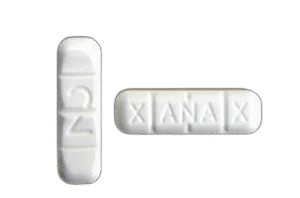
What is Xanax? It is a central nervous system depressant, which is a benzodiazepine drug that is mostly used in the treatment of generalized anxiety and panic. When it is administered orally, it takes a matter of 30 minutes to realise its effects and a maximum of around 6 hours. Nevertheless, this quick fix has a high cost especially when it is abused. According to the Centers for Disease Control and Prevention (CDC), the overdose of benzodiazepines was fatal in over 92 percent of cases, and an opioid was involved in most of them.
This complete guide will tell you all about Xanax, including its legitimate medical applications and the correct dosage, as well as side effects and risks of abuse. Whether you are thinking of using this medication as a form of treatment or you just want to have information about it, it is important to know both the positive and negative implications regarding the use of this medication in order to make informed decisions on your health.
What is Xanax and how does it work?
The product, Xanax, is a brand name of alprazolam, a drug that falls under a group of drugs that have altered the manner in which physicians treat anxiety disorders since the 1950s. This is a very potent drug that relieves millions of patients by acting on certain brain processes.
Xanax as a benzodiazepine
Xanax belongs to the benzodiazepine family, which has a more particular classification as a triazolobenzodiazepine. As compared to typical benzodiazepines, the Xanax has a triazole ring connected to it and therefore is classified under high potency benzodiazepines. This chemical structure is a factor that makes it readily absorbed in the gastrointestinal tract with peak plasma levels occurring within one to two hours of administration.
In essence, the mechanism of action of benzodiazepines such as Xanax is that they attach themselves to certain receptors of the central nervous system. The unique value of benzodiazepines as a form of treating anxiety is that they are fast acting compared to other forms of treating anxiety. Moreover, Xanax has a high bioavailability (84-91%), and that is, the majority of what you ingest gets in your blood.
How it affects the brain (GABA and dopamine)
Xanax, the main mechanism of which is the intensification of action of gamma-aminobutyric acid (GABA), is the main inhibitory neurotransmitter in the brain. GABA receptors are transmembrane proteins complexes which have five subunits which make a chloride channel.
The mechanism of action Xanax is attached to a certain pocket between the alpha and gamma subunits of the GABA-A receptor. It also raises the rate of opening of the chloride channel once bound, which in turn permits the entry of chloride ions into neurons. The presence of this chloride increases the resistance of neurons to get activated and this has a calming effect on the whole central nervous system.
Also, Xanax influences the levels of dopamine in the brain. Xanax blocks the release of GABA to dopaminergic cells by acting on the inhibitory interneurons, thus boosting the production of dopamine. This release of dopamine is part of the therapeutic effects and dependency possibility.
FDA-approved uses
Treatment of generalized anxiety disorder (GAD) or temporary treatment of the symptoms of anxiety
Management of panic disorder with or without agoraphobia
These are the official indications but Xanax is also prescribed off-label by doctors to treat other conditions, including insomnia, premenstrual syndrome, and depression. Clinical research has shown that benzodiazepines such as Xanax, are better than other drugs that are used to treat Anxiety disorders such as barbiturates and antipsychotics drugs.
Common uses and proper dosage
Xanax is prescribed by doctors usually to those patients who have severe symptoms of anxiety that impair their normal operations. In addition to its biochemical characteristics, it is essential to know its practical use and how it should be used to treat safely.
Typical conditions treated with Xanax
The Food and Drug Administration (FDA) have approved Xanax as being used of two principal disorders: panic disorder and generalized anxiety disorder (GAD). Individuals diagnosed with GAD usually have too much worry about routine things, they are unable to relax, lack focus, and have poor sleep over a period of six months or more. In the meantime, panic disorder can be seen in the form of sudden attacks that are associated with a rapid heartbeat, sweating, chest pain, and extreme apprehension. Furthermore, physicians sometimes use Xanax off-label as a sleep aid, premenstrual syndrome, and depression.
Standard dosage guidelines
The dosage depends on the condition treated. The most common treatment is an initial dosage of 0.25 to 0.5 mg three times a day in the generalized anxiety disorder. Maximum recommended daily dosage is 4 mg. In case of panic disorder, the initial dosage is 0.5 mg three times a day and it may be increased every 3-4 days by not more than 1 mg a day. During the treatment, the highest dose can be 10 mg a day but most patients respond well to 5-6 mg.
Elderly people or patients with liver damage usually begin with 0.25 mg two or three times a day. Most importantly, Xanax is not supposed to be a long-term drug; it should not last longer than 4 months in the treatment of anxiety symptoms or 10 weeks in panic disorder.
How long Xanax stays in your system
Although Xanax tends to work 4-6 hours, it is still present in your body far longer. It has a half-life of 6.3 to 26.9 hours or an average of about 11 hours. Overall, the majority of individuals clear out the substance of Xanax within the range of 2-4 days. The detection time depends on the testing method and it can vary between 5 days in the case of blood tests, 5 days in the case of urine tests, and 3 months in the case of hair follicle samples.
Short-term and long-term side effects
Side effects of alprazolam vary in severity between minor inconveniences and possible life threatening predicaments, and therefore it is important to know about them before you buy Xanax online or on prescription.
Short-term effects on the body and mind
First, Xanax has immediate effect which usually starts within 30 minutes after taking them. Short-term side effects that are common are drowsiness, light-headedness, lack of coordination, poor mental alertness, and slurred speech. Confusion, memory loss, and inability to concentrate are common effects on many of its users. More alarming is that in some cases, individuals indicate paradoxical responses like becoming irritable, agitated, or more anxious. When used in rare cases, a short-term may cause hallucinations or abnormal facial expressions.
Long-term risks of dependence and tolerance
Thus, the prolonged use of Xanax causes tolerance, which often takes place in 6-8 weeks after the brain has adjusted to the presence of the medication. It is physically addictive even after 1 week use. With time, there is a shift in the production of GABA and this necessitates an increase in doses to obtain the same therapeutic effects. What is especially disturbing is long-term cognitive effects; the research demonstrates that the decline in cognitive abilities is significant and that the effects might not improve completely even in three months after cessation. Hence, long-term use may weaken the memory, lower the IQ level, worsen the sight and response time.
Withdrawal symptoms and timeline
Withdrawal of Xanax is considered more severe than the withdrawal of other benzodiazepines, though in proper tapering it is not as severe. Within 24 hours of the final dose, symptoms usually start and consist of anxiety, insomnia, tremors, and in extreme cases, seizure or psychosis. Acute phase is experienced during days 2-5 and by day 5 it improves but in some cases (1025%) some people may experience persistent withdrawal which may last up to one year. To reduce these risks, the manufacturer advises tapering no more than 0.5 mg per 3 days.
Conclusion
Xanax is a legitimate medication that alleviates millions of people with debilitating anxiety and panic disorders when used in the right manner and under supervision. Nevertheless, its potent impacts on the brain chemistry are associated with severe risks that cannot be neglected. The fast-acting feature of the medication provides a fast relief, however, at the same time gives a chance to develop dependence only after a week of intake.
It is also important to know the dosage guidelines particularly since there are quite large variants between the dosage of treating general anxiety (0.25-0.5mg) as compared to panic disorders (0.5mg minimum). Indeed, patients need to be aware that the presence of Xanax in their body will not be diminished even after the beneficial effects of the drug have subsided.
The risks of abuse are beyond description. The risks of overdose are becoming dramatic when Xanax is combined with alcohol or opioids, and counterfeit pills that may include fentanyl are life-threatening. Hence, it is always important to get this medication with the help of legitimate prescriptions and follow medical advice.
In conclusion, Xanax is a good treatment as well as a drug that needs special attention. All the people that are prescribed this medication need to collaborate with healthcare providers to track the side effects, avoid dependence, and compose acceptable de-escalation schemes. The choice as to whether to use Xanax or not must consider the documented positive effects on patients against the documented negative effects, emphasizing the safety of the patient first and foremost.